


Back
Taqwa paradigm in healthcare
Prof. Emeritus Abdul Fadl Mohsin Ebrahim | Ethics
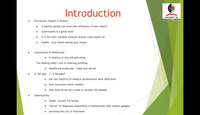
A discussion on the term ‘Taqwā’ often translated as ‘piety’ or ‘Godfearing’. ‘Taqwā’ is the state of hyper-vigilance. Medicine and
| Topic / Title of the Talk | Taqwa paradigm in healthcare |
| Field of Medicine | Ethics |
| Length of the Talk | 18 Mins |
| CPD Accreditation No. | MDB015/MPDP/070/221 |
| Category of the Talk | Subject review or overview |
| CPD Type | Ethics |
| Languages (Translations) & Subtitles | Not Translated |
| Speaker | Prof. Emeritus Abdul Fadl Mohsin Ebrahim |
Talk Description
The term “Taqwā” which is often translated as 'piety' or 'Godfearing' implies “God-consciousness”. In other words, “Taqwā” is the state of hyper-vigilance, to be always on guard and perpetually alert of not committing any action that would earn the displeasure of Our Creator. Medicine and medical knowledge have been described as the altar of faith: al-ṭibb miḥrāb al-īmān. The practice of medicine, therefore, is meant to lead Muslim healthcare professionals to the conclusion that there must be a powerful and deliberate Creator of the ailing persons who happen to be under their care. Their interaction with them during their treatment regime should be executed with utmost diligence, necessitating the display of Taqwā. The paper posits how Taqwā should be inculcated in Muslim students during the training and how Taqwā ought to be demonstrated throughout the calling of Muslim healthcare professionals.
Related Talkz


 new.png)